LGBTQ+ Mental Health Blog
Resources to help you thrive as a LGBTQ+ person.
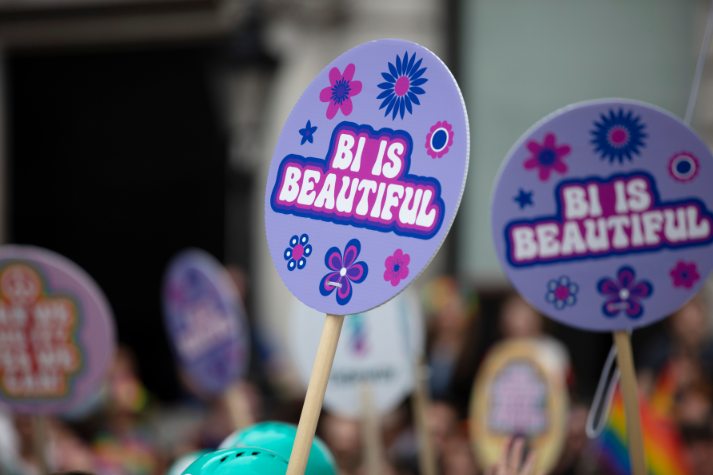
Coming Out as Bi: 4 Helpful Tips for Navigating This Change
Coming out as bi can be so worthwhile. Whether you're coming out as bi later in life, coming out as bi in a straight relationship, or coming out as bi to parents, you deserve support. As a bisexual therapist in Minneapolis, I share 4 tips for navigating your coming out journey.
Is It Too Late to Come Out as Bi?
Coming out as bi can happen at any age. Yet, many people question if it’s “too late” to come out as bisexual.
As a bi therapist, I’ve seen the relief, joy, and healing that comes with affirming one’s bi identity even after years of questioning or silence.
Let’s explore this fear of it being “too late” to come out and why it’s actually never too late to authentically embrace your queerness.

Accepting Bisexuality and What I Did to Affirm My Bisexuality
When I first came out as bi I never felt queer enough. I feared my bisexuality being judged and invalidated. Finding ways to affirm my bisexuality helped me find community, self-love, and pride with my sexuality.
This is why it’s so important to me as a bisexual therapist in Minneapolis to provide bi-affirming therapy for folks who want to feel more comfortable and accepting of their sexuality.
Here are four personal practices that helped affirm my bisexual identity.

Am I Bisexual? Insights from a Bi Psychologist
Wondering if you're bisexual? While there isn’t an official ‘Am I bisexual quiz,’ here are some signs you might be bi from a bi psychologist.
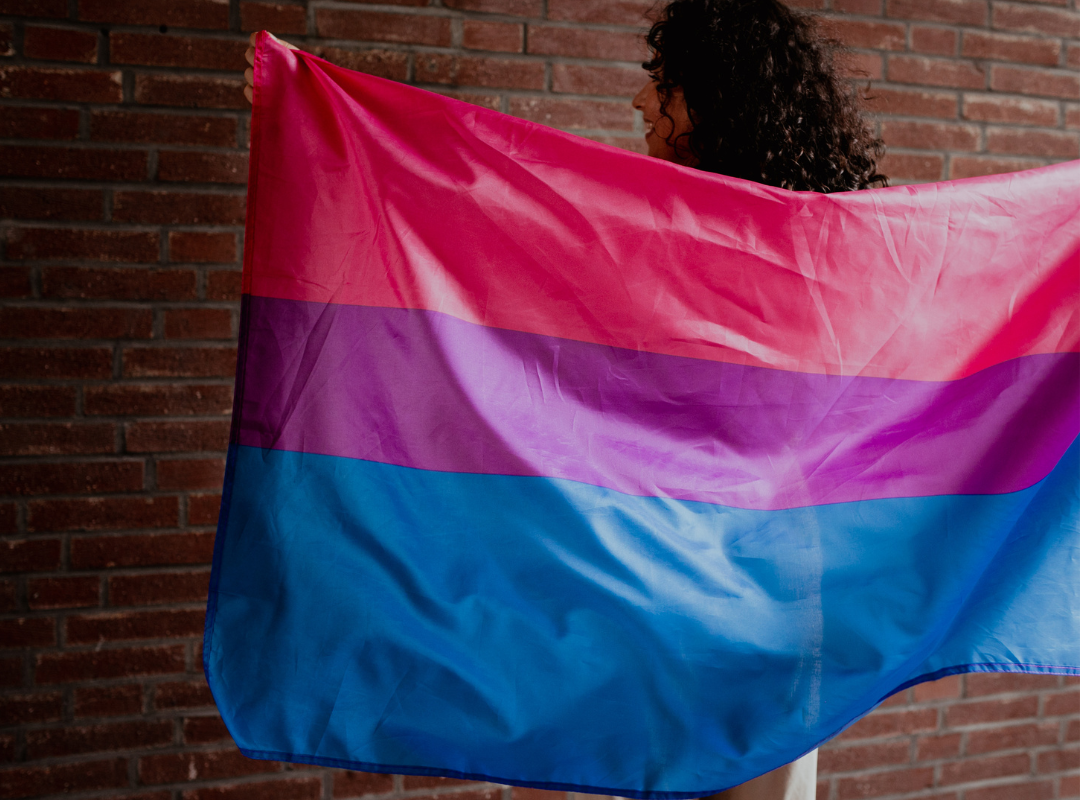
Why bi visibility is important
Bi visibility is the anecdote to bi erasure. Bi visibility means that bi+ people are acknowledged, validated, and not misrepresented as being straight or gay. The more bi+ people and bi+ identities are treated as valid, the greater chance you have as a bi+ person to find affirming community and have better mental health.

What is Bi Erasure? Insights From a Bi Therapist
Bisexuality and bi+ identities are the largest subgroup of the LGBTQ+ community. While mighty in number, bisexuality is often overlooked, invalidated, or simply ignored.
If there are so many bi+ people, why do we often feel so alone?
What Does It Look Like To Have A Bi-Affirming Therapist?
You deserve a therapist who validates your bi+ identity and recognizes the beauty of you being able to affirm your identity. Read about what it may be like to have a bi-affirming therapist.