Is It Too Late to Come Out as Bi?
As a bisexual therapist in Minneapolis I’ve supported bi+ clients in their 20s through 60s. Coming out as bi can happen at any age. Yet, many people question if it’s “too late” to come out as bisexual.
When you come out as bi you’re not only coming out as ‘not straight.’ You’re also coming out as someone attracted to multiple genders; something that’s often invalidated by both straight and gay people.
Added to this is the perception that if we don’t come out in our teens (or very early 20s) then it’s “too late” to come out or we shouldn’t bother coming out.
As a bi therapist, I’ve seen the relief, joy, and healing that comes with affirming one’s bi identity even after years of questioning or silence.
Let’s explore this fear of it being “too late” to come out and why it’s actually never too late to authentically embrace your queerness.
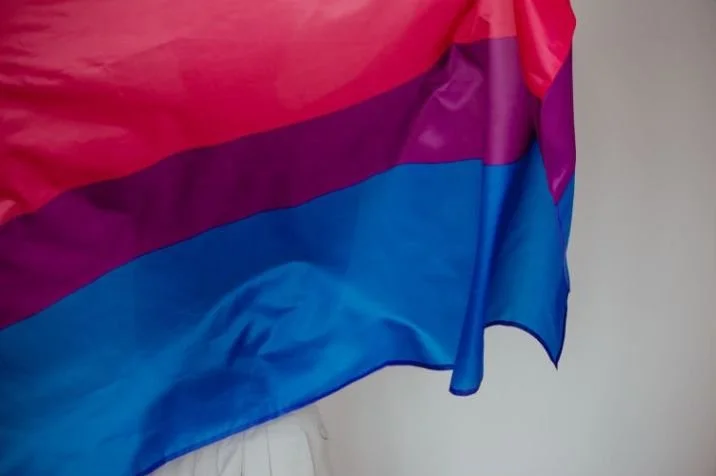
Why Does it Feel “Too Late” to Come Out as Bi?
It’s not just you. Many people in their 20s and beyond question if it’s too late to come out as bi. There are several reasons for this feeling:
Internalized biphobia
Have you had any of the following thoughts:
“If I haven’t come out by now, it must not matter”
“People will think I’m confused”
“I’m too old / settled / partnered to come out”
Biphobia convinces us that bisexuality is a phase, that bisexuals are “just confused,” and that being visible and validated as bi shouldn’t matter if you’re currently partnered. It’s all too common for someone in a committed straight-presenting relationship to wonder if it’s worth it to come out. Especially when your bisexuality might not be visible to others.
Media and cultural narratives often center young, newly-out queer people
It’s hard to be what we cannot see. This is true for queer representation at large, but even more so for bi folks because of bi invisibility.
Gendered bi erasure
Bi erasure can play out differently for bi men compared to bi women.
People often stereotype bi men as being gay and lying about being attracted to women. Whereas bi women are stereotyped as being straight and just ‘experimenting’ with women.
These gendered stereotypes assume that all bisexual people are simply confused. That we are not authorities on our own sexuality. And that other people know us better than we know ourselves.
It assumes that someone’s “real” sexuality is their sexual attraction towards men. That because we can’t really be attracted to more than one gender, then someone’s “real” attraction must be the one towards men. Hello sexism!
Knowing that we’ll be invalidated keeps many bi people in the closet instead of feeling free to come out.
Bi-erasure and the idea that bisexuality needs to be “proven”
People will sometimes pressure you to give your bi ‘resume’ in order to be taken seriously. This biphobia makes us feel like we have to prove ourselves by having a dating or sexual history across multiple genders. But the truth is that your bisexuality is valid regardless of your dating or sexual history.
You can know that you’re bi even if you’ve only dated one gender. You deserve to be taken at your word. Others don’t have authority or better wisdom than you do over who you are.
It’s easy to see why it often feels too late to come out. These fears are common, but they aren’t proof that you shouldn’t come out. Coming out is your decision. If it feels worthwhile to you, then I want you to listen to that.
Affirmations for Coming Out as Bi Later in Life

You were capable of surprising yourself well into your 30s, 40s, 50s, and beyond.
Visibility matters: Older bi people and those in long-term relationships deserve to be seen.
You were curious and brave enough to question a long-standing assumption that you and other people had about you.
You aren’t afraid to stop discovering new things about yourself.
Over time as a society, new words or ways we understand identity evolve. It’s valuable for you to see each decade if these new words or understandings fit for you.
You’re saving your future self from possible feelings of regret.
How do I come out as bi later in life?
Coming out isn’t one single moment. It’s an ongoing process. Coming out doesn’t have to mean you tell everyone or make any big changes to your life. It can if you want it to though.
Coming out might look like:
Saying “I’m bi” to yourself and believing it
Sharing with a trusted friend, bi-affirming therapist, partner, or son/daughter
Updating your language or bios
Exploring bi community or media
Remember, you get to decide what coming out means to you.
Bi Affirming Resources in Minneapolis — St. Paul
Therapy with a therapist who is also bi
Irene Greene’s Coming Out Later in Life Virtual Support Group
Queermunity: Let’s Do Coffee (age 60+)
Minnesota Gay and Bi Father’s Support Group
Final Thoughts
You’re allowed to come out as bi at any age. Coming out as bi has its challenges, but it’s also full of so much joy.
You deserve to feel that joy.
If you’re looking for a space to explore your bisexuality, or just want a bi-affirming therapist, I’m here. I’m a bisexual therapist in Minneapolis. I also provide online LGBTQ+ therapy across Minnesota and 40+ States. I’d love to support you.
